




The Consumer Technology Association (CTA)® will offer an expanded health experience at CES® 2027, including more than 115 exhibitors across more than 60,000 square feet of exhibit space in Las Vegas. From January 6 to 9, a new show-floor Health Stage and more than 19 conference sessions will focus on how technology is transforming healthcare.
From AI-powered wearables and remote monitoring to personalized care, CES 2027 will spotlight innovations reshaping how people manage their health. At the center of the experience, the new CES Health Hub, presented by Abbott, will bring together healthcare leaders, clinicians and technology innovators at The Venetian Expo to explore advances in AI, connected devices, digital therapeutics, precision medicine and consumer wellness.
CES 2027 will feature health innovations from Abbott, AgeTech Collaborative from AARP, Dexcom, EYVA, Humetrix, Intuition Robotics, Myant, Philips Personal Health, POLAR US, Raizz, Renpho, RingConn, Vivoo, Withings and more.
Here are a few of Artsphoria’s top picks for health wearables, along with notes from our own science-related research revealing the need for these health innovations:
AI Sleep Recovery Pillow
Ceragem, a2027 Honoree in Accessibility & Longevity, has created the AI Sleep Recovery Pillow. The smart pillow and control Hub combines brain-recovery technology with automated nightly support for healthy aging. A six-zone load-cell array, flexible piezoelectric sensors and MEMS microphones track pressure distribution, head position, posture, respiration, heart-rate patterns, snoring and breathing sounds without requiring a wearable. Aromatherapy is optional and can be switched off without affecting the core functions.
Sleep research: According to the National Heart, Lung and Blood Institute, about 50 to 70 million Americans have sleep or wakefulness disorders. Sleep deficiency and untreated sleep disorders are connected to an increasing number of health issues, including heart disease, high blood pressure, stroke, diabetes, obesity and some cancers.
Hypershell Halo
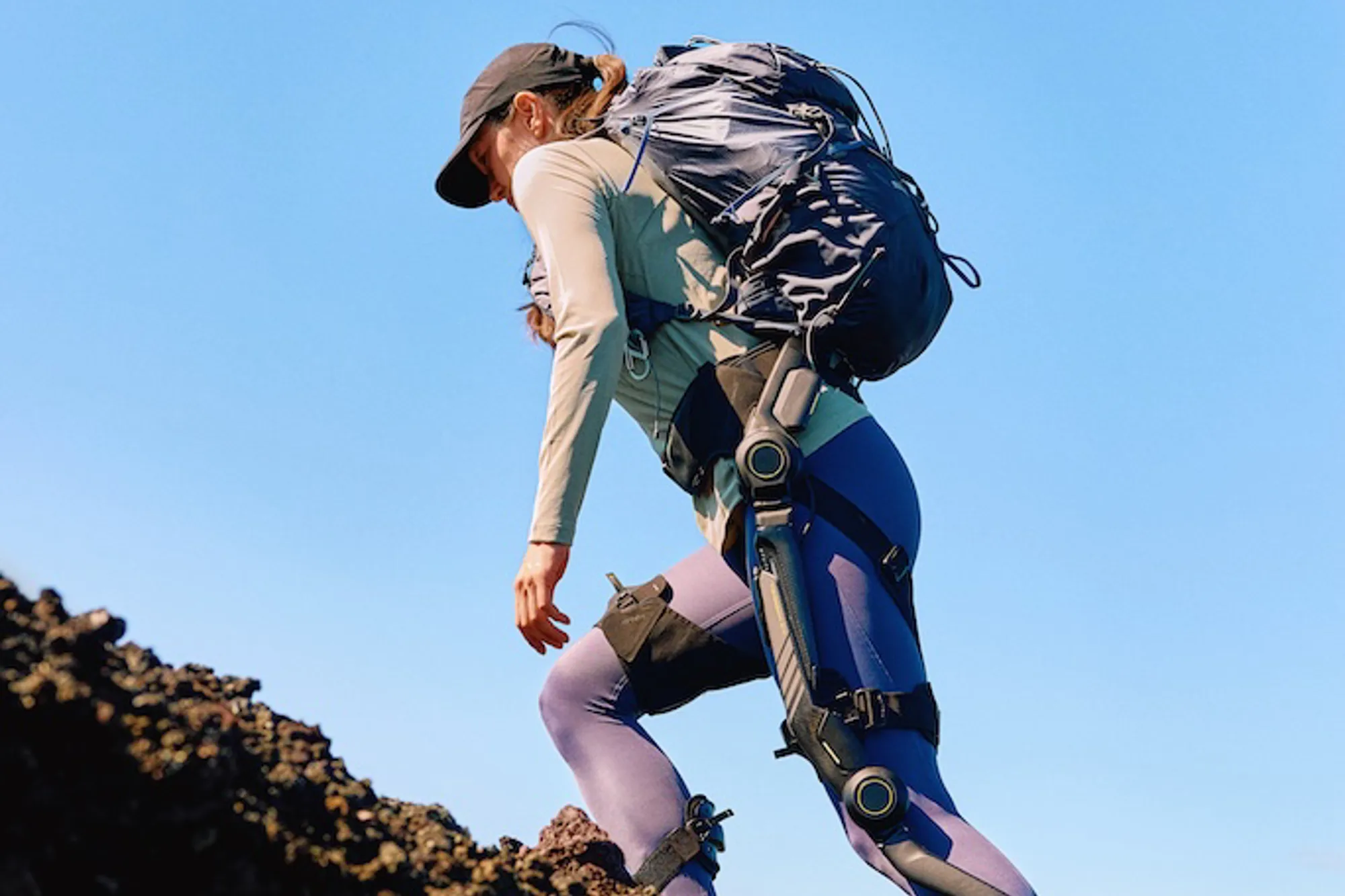
The Hypershell Halo, a 2027 Honoree in Robotics, is an industry-first, unibody hip-and-knee consumer exoskeleton that redefines mobility for outdoor enthusiasts, professionals, and aging adventurers. The Halo powers the entire lower-limb kinetic chain, with four motors actively cushioning steep descents and assists knee extension. By neutralizing demanding transitions like downhill braking and heavy carries, the Halo achieves a 50% knee-load reduction, a 60% drop in metabolic cost, and up to 42% lower heart rate.
Science research: A study reported in Journal of Cachexia, Sarcopenia and Muscle indicates that muscle strength declines by 3.6%–5.0% annually after age 65, at a rate greater than the loss of muscle mass. This decline contributes to gait impairment, sarcopenia and reduced independence. Findings show that targeted hip abductor strengthening assists in fall prevention and boosting balance confidence. Integrating physical strengthening with strategies to enhance balance confidence may provide the most effective approach to reducing injurious falls among older adults.
SHOEALLS LifeGuard: Self-Powered AI Healthcare Shoes
A 2027 Best of Innovation in Accessibility & Longevity, SHOEALLS’ self-powered AI healthcare shoes are a next-generation wearable healthcare platform turning daily walking into continuous health management, enhanced safety and life protection. The shoes integrate a battery-free vibration chip certified as a medical device that supports balance and motor function, reduces fall risk and relieves muscle pain; energy-harvesting technology that converts walking pressure into electrical energy; and an AI gait healthcare system that continuously collects and analyzes gait data to assess health status and support early response.
Science research: According to findings reported in a recent article in GeroScience, walking is an effective anti-aging intervention that can reduce the risk of chronic age-related diseases such as cardiovascular disease, hypertension, T2D and cancer. Walking also improves pain and function in musculoskeletal disorders, promotes sleep and mental health and increases resilience. A brisk walk for at least 30 minutes, 5 days a week, is recommended to meet physical activity guidelines. Step count is a strong and consistent predictor of clinical outcomes, with 8000 to 10,000 steps per day beneficial for lowering the risk of age-related diseases.
Thirty-three products won CES Innovation Awards® in the digital health category. For more information about the Consumer Technology Association and CES 2027, see ces.tech.