





Every day, innovation in technology is providing solutions for a wide range of health issues. Here are some news highlights:
Hello Heart: Solutions for Preventing Heart Failure With Hello Guard
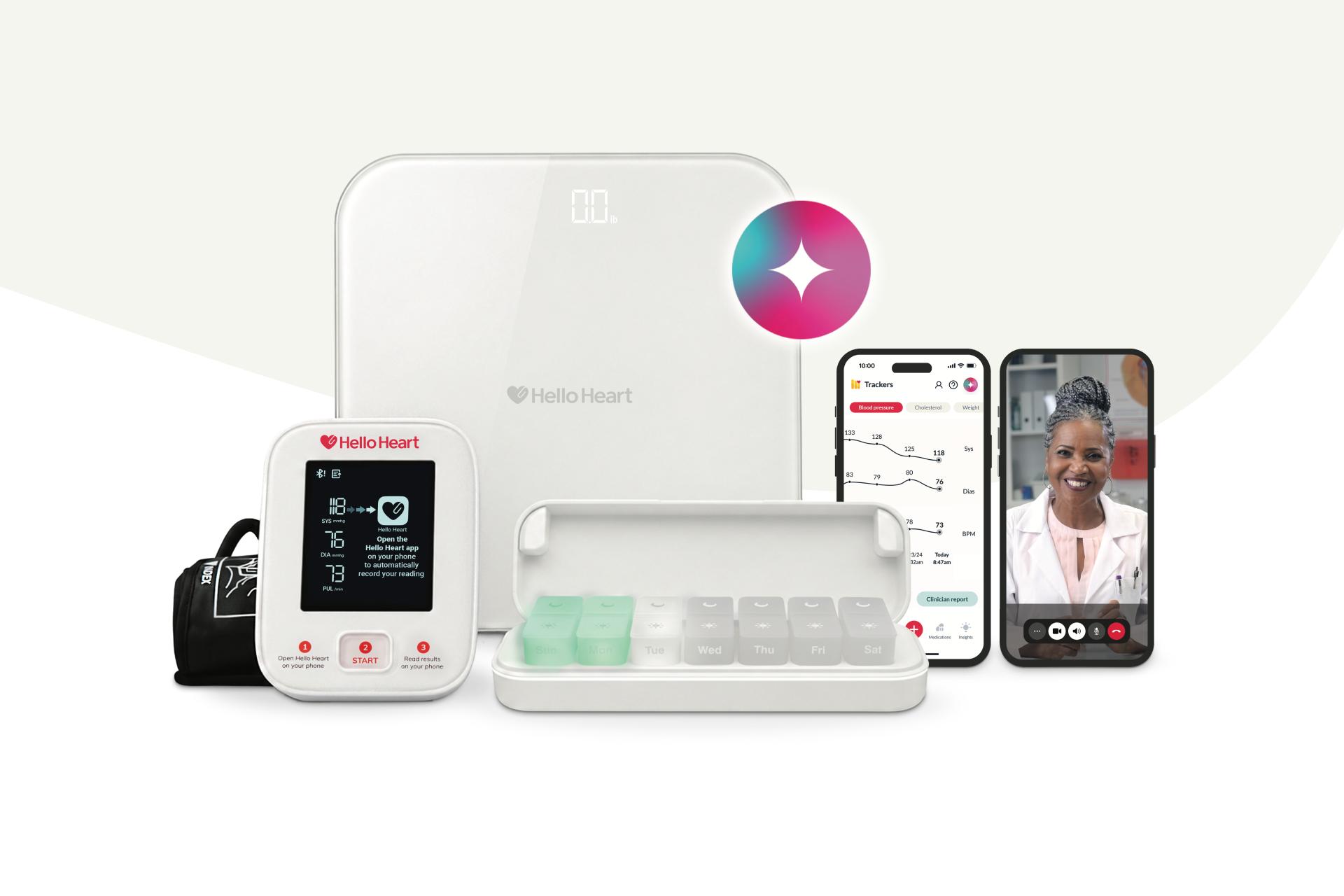
Hello Heart, a leader in AI-powered preventive heart health, has introduced Hello Guard, a new heart failure offering with a clear ambition: help people get support before a crisis and reduce avoidable hospitalizations that drive substantial costs for health plans.
For someone living with concerns about heart failure, a shift in weight or a new symptom can raise anxiety levels about heart health. Hello Guard brings connected devices, personalized AI, and cardiologist-led virtual care together to help members get guidance between doctor visits. It’s designed to give people greater peace of mind, knowing they have support and don’t have to navigate changes alone.
Heart failure affects approximately 6.7 million U.S. adults. A 2026 study in the Journal of Managed Care & Specialty Pharmacy estimated average direct health care spending of $45,893 per patient in the first year after diagnosis, with inpatient and emergency care accounting for the largest share of the cost. Additional research indicates that digital health intervention for patients with HF was associated with significant reductions in healthcare costs and utilization. These findings highlight the potential of technology-enabled CV management programs to improve outcomes and reduce economic burden in high-risk heart failure populations.
CB Insights Eighth Annual Ranking of the Most Promising Digital Health Startups
CB Insights’ eighth annual ranking of digital health startups has identified 50 of the most promising ones. This year’s winners are advancing healthcare care delivery, diagnostics and imaging, value-based care support, and more.
With 11 winners in the care delivery category, these startups are drawing on AI and remote care to assist clinicians in helping more patients. Another 26 companies are solving issues in administrative work, from insurance approvals to patient coordination, allowing more time for patient care. The remaining winners have developed diagnostic tools that accelerate cognitive screening and radiotherapy planning as well as companies applying AI to drug development.
Three themes have emerged from this year’s list of digital health startups:
- AI is becoming the provider
- AI agents are getting medicines to patients
- Specialty care is moving beyond the appointment
Sleep Tech Devices Market Predicted to Grow
The global sleep tech devices market was estimated at USD 29.3 billion in 2025. The market is expected to grow from USD 34.6 billion in 2026 to USD 160.6 billion in 2035, at a CAGR of 18.6% during the forecast period, according to the latest report published by Global Market Insights Inc. Numerous factors, such as technological advancements in sleep tech devices, a rising geriatric population and many other factors drive the market.
The prevalence of sleep-related disorders continues to accelerate the need for sleep tech devices. Older adults are disproportionately affected by conditions such as insomnia, obstructive sleep apnea and poor sleep quality, increasing the need for continuous sleep monitoring and management solutions. According to the World Health Organization (WHO), the global population aged 60 years and older is projected to reach approximately 2.1 billion by 2050, while the population aged 80 years and above is expected to grow to around 426 million.
In addition, a significant proportion of adults experience insufficient sleep duration, which is associated with an increased risk of chronic conditions such as obesity, diabetes, hypertension, cardiovascular diseases and mental health disorders. The rising burden of sleep disturbances, coupled with demographic aging and growing health awareness, is significantly contributing to the adoption of sleep tech devices, with market growth further supported by expanding direct-to-consumer, e-commerce and telehealth-enabled solutions.